Carbon accounting, explained
Practical articles on corporate carbon footprints, each citing the official documents it draws on.
RSS feed
 Methodology
Data Quality and Uncertainty in a GHG Inventory
Every emission figure is an estimate. The TGO requirements define uncertainty, oblige you to assess it, describe where it enters through data types and measurement tiers, list the controls that reduce it, and give a scoring example. This article follows that thread from definition to report.
 Verification
Preparing Your Organization for a Carbon Footprint Verification
A practical checklist from the organization's side: the documents a verifier needs before accepting, the common errors found in first submissions, how sampling will work, the six preparation steps in the TGO guideline, what happens on site, and how findings are closed.
 Methodology
Choosing a Base Year and Knowing When to Recalculate It
What the TGO requirements say about the base year: how it is defined, the four conditions for setting it, the three events that force a recalculation, the two that do not, how targets and the GHG report must refer to it, and the multi-year rule for agriculture.
 Methodology
How to Decide Which Scope 3 Emissions Are Significant
The TGO requirements ask you to identify every category 3 source but report only the significant ones. This article walks through the documented process in section 5.2.5 and Appendix 12: state the intended use, set criteria, screen without calculating, decide and write down the reasons.
 Regulation
TGO Criteria for Registering a Carbon Footprint Reporting Platform
What TGO asks of a platform that wants to be registered for carbon footprint reporting: five preliminary criteria, three registration criteria with the evidence expected, and the note that TGO does not certify platform results until verified. CarbonBiz's own registration status is not yet confirmed.
 Methodology
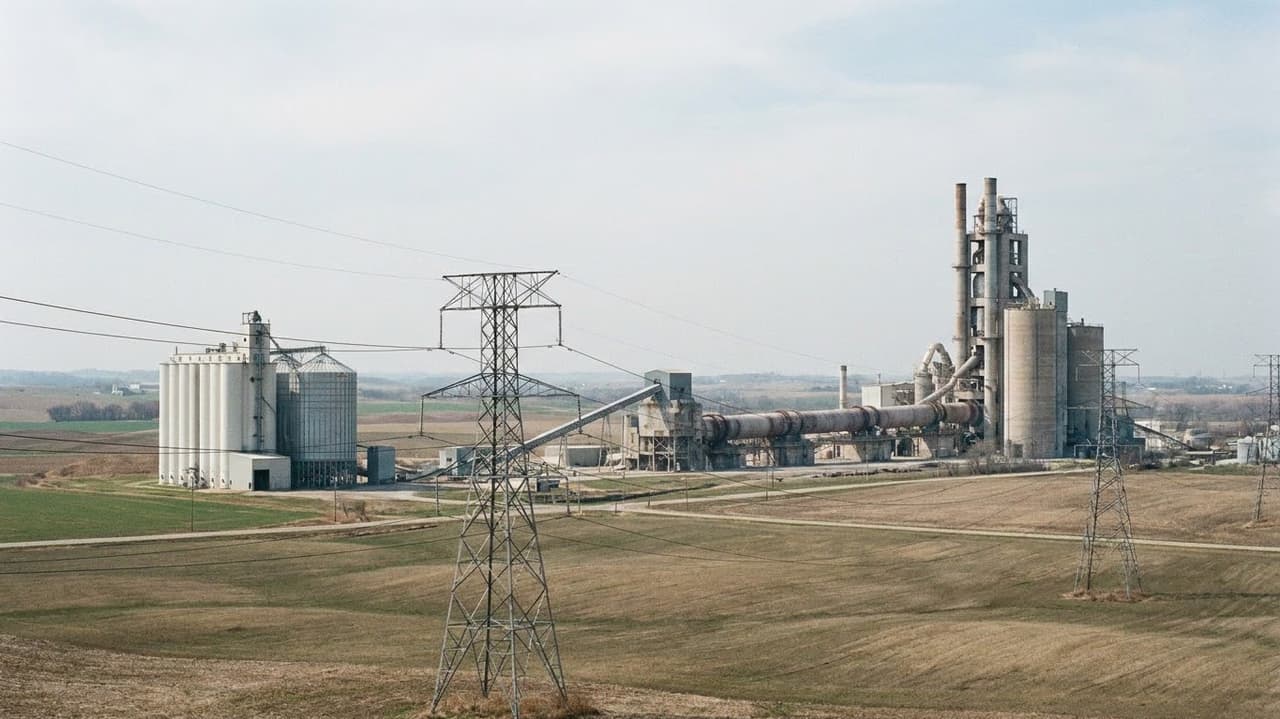
Sector-Specific Guidance for Corporate Footprints
TGO's sector manual covers eleven industry groups from petroleum to power generation. This article points to what each chapter adds beyond the general requirements, using cement, food, livestock and power plants as examples, and notes what the manual says about preparing for verification.
 Methodology
Scope 1, 2, 3 Under the TGO Requirements
How the TGO requirements define direct and indirect emissions, how the three Thai categories map to the six ISO 14064-1:2018 categories, worked examples of what goes where, the electricity rule, and how to decide which Scope 3 sources are significant.
 Methodology
How the GHG Inventory Is Calculated: Steps, Methods, Emission Factors
The five calculation steps in the TGO requirements, how to choose a method and an emission factor, the GWP values to use, how the base year works and when it must be recalculated, and how uncertainty is assessed.
 Verification
How Corporate Footprint Verification Works
The TGO verification guideline explained: the four principles a verifier must uphold, who sits on the verification team, reasonable versus limited assurance, the 5 percent materiality threshold, the verification process from planning to sampling, and what the final statement must contain.